Sofura: A Quirky Handwritten Font for Crafters
There is a distinct magic in the handmade world that mass-produced typefaces simply cannot replicate. When you are designing a label for your small-batch candles, crafting a wedding invitation suite, or creating a printable planner page, the choice of typography dictates the emotional tone of your entire product. It is the difference between something that feels generic and something that feels like it was made with love by a human hand. This is where Sofura steps in as a game-changer for makers who value authenticity and charm.
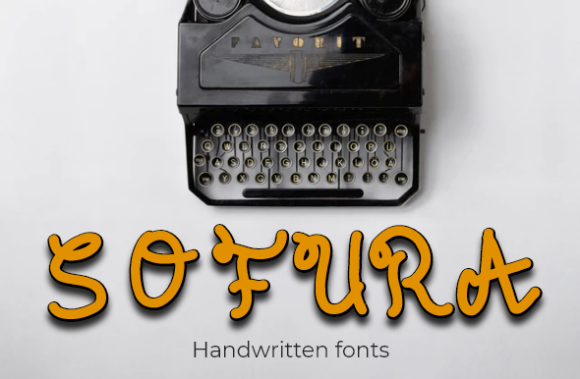
Sofura is not just another script font found in the endless scroll of design assets; it is a quirky and relaxed handwritten font designed to bring personality to your projects. As a creator who has spent countless hours perfecting SVG files, testing print runs on cardstock, and arranging sticker sheets for my shop, I know how difficult it is to find a typeface that balances artistic flair with commercial viability. Sofura hits that sweet spot perfectly, offering a unique visual style that looks effortlessly cool yet remains legible enough for practical use.
The Personality of Sofura in Your Brand Identity
In the competitive landscape of Etsy shops and local craft fairs, your brand identity needs to stand out without screaming for attention. Sofura offers a vibe that is approachable, warm, and slightly imperfect in the most delightful way. Unlike rigid calligraphy fonts that can feel stiff or overly formal, this creative font mimics the natural flow of a pen gliding across paper. The "quirky" nature of the strokes adds a touch of whimsy, making it an ideal display font for boutique tags, social media graphics, and logo design.
When customers see a product labeled with Sofura, they subconsciously register it as artisanal and personal. Whether you are selling farmhouse-style wall art or modern typography prints, this font helps bridge the gap between digital design and physical craftsmanship. It tells your customer that there is a real person behind the screen, someone who cares about the details. For small business owners looking to elevate their packaging design, using a premium font like Sofura can significantly increase the perceived quality of your goods.
Practical Applications for Makers and Sellers
The true test of any font lies in its versatility across different mediums. I have used Sofura extensively in various product lines, and its adaptability is impressive. Here are some specific ways this typeface shines in real-world crafting scenarios:
- Greeting Cards and Invitations: The relaxed nature of Sofura makes it perfect for birthday cards, baby shower invites, and casual wedding stationery. It works beautifully for names, dates, and short celebratory phrases, adding a personal touch that guests appreciate.
- Product Labels and Packaging: For candle makers, soap artisans, and food producers, readability is key. While Sofura is expressive, it remains clear enough for short ingredient lists or branding statements on jar labels and hang tags. It transforms a simple glass jar into a gift-worthy item.
- Stickers and Vinyl Decals: If you run a cutting machine like a Cricut or Silhouette, you know that intricate scripts can sometimes be tricky to weeding. Sofura’s clean lines and distinct letterforms make it surprisingly user-friendly for vinyl application, ensuring your stickers look crisp and professional.
- Digital Printables and Planners: In the world of digital downloads, aesthetics drive sales. Using Sofura for headers, daily affirmations, or section titles in printable planners adds a layer of sophistication that plain sans serif fonts lack.
- Apparel and Home Goods: From tote bags to mugs and t-shirts, this font translates well onto fabric and ceramics. It pairs exceptionally well with minimalist illustrations, creating designs that feel both trendy and timeless.
Readability and Design Best Practices
While Sofura is a beautiful script font, it is important to understand its limitations to ensure your designs remain effective. Like many handwritten fonts, it is best suited for short phrases, titles, names, and decorative wording rather than long paragraphs of body text. Attempting to set a full paragraph in Sofura may result in poor readability, especially when printed at smaller sizes.
For optimal results, use Sofura as a focal point. Pair it with a clean, neutral typeface for the supporting information. This strategy not only improves legibility but also creates a balanced composition that guides the viewer's eye. For example, on a wedding welcome sign, you might use Sofura for the couple's names and the word "Welcome," while using a simple sans serif font for the date, time, and location details. This combination ensures that the emotional impact of the script is preserved without sacrificing clarity.
When working with cutting machines, always perform a test cut on scrap material before committing to your final project. Check that the thinner strokes of the letters do not break during the weeding process. If you are printing on dark backgrounds, consider adjusting the weight or adding a subtle outline to maintain contrast. These small adjustments go a long way in ensuring your final product looks polished and professional.
Mastering Font Pairing with Sofura
One of the most powerful tools in a designer's arsenal is font pairing. Sofura, with its organic curves and playful character, demands a partner that can ground it without overpowering it. My go-to strategy is to pair this expressive script with a geometric sans serif font or a classic serif font. The contrast between the fluidity of Sofura and the structure of a clean typeface creates a dynamic visual hierarchy that is pleasing to the eye.
For a modern, chic look, try pairing Sofura with a bold sans serif font for headlines. This works wonderfully for boutique signage, Instagram posts, and product packaging. Alternatively, for a more traditional or romantic aesthetic, a simple serif font can complement the handwritten style of Sofura, evoking a sense of elegance and heritage. Experimenting with these combinations allows you to tailor the mood of your design to fit the specific needs of your client or product line.
Licensing and Commercial Use for Small Businesses
As a maker selling physical products, templates, or digital downloads, understanding font licensing is non-negotiable. Sofura is available as a commercial font, which means you can legally use it to create items for sale. However, it is crucial to review the specific license terms included with your purchase. Typically, a standard commercial license covers the creation of physical goods like stickers, signs, and apparel, as well as digital assets like printables and templates.
If you are a service provider creating logos or marketing materials for clients, ensure that the license extends to client work. Some licenses require an additional fee for unlimited end-user applications or for embedding the font in web design projects. Always check the documentation provided by the font creator to avoid any legal complications down the road. Investing in a properly licensed font protects your business and ensures that you can focus on what you do best: creating beautiful, high-quality products.
Ultimately, choosing the right typeface is about more than just aesthetics; it is about communication. Sofura communicates warmth, creativity, and a dedication to the handmade ethos. By integrating this unique font into your workflow, you are not just adding text to your designs; you are infusing them with a soul that resonates with your audience. Whether you are launching a new product line or refreshing your brand identity, Sofura offers the perfect blend of quirk and professionalism to help your creations shine.